miércoles, 2 de abril de 2014

FESTAS da LAMPREA


Fontes:

http://gastromimix.blogspot.com.es/2009/11/lamprea.html

http://www.paxinasgalegas.es/fiestas/liv-festa-da-lamprea-arbo-0023.html

http://www.paxinasgalegas.es/fiestas/xi-fiesta-gastron%C3%B3mica-de-la-costilla-y-la-lamprea-tomi%C3%B1o-9528.html

http://www.paxinasgalegas.es/fiestas/xix-festa-da-lamprea-pontecesures-0186.html

http://www.paxinasgalegas.es/fiestas/xviii-festa-da-lamprea-seca-e-do-peixe-do-r%C3%ADo-mi%C3%B1o-arbo-0027.html

http://www.cm-pontedelima.pt/noticia.php?id=1769

http://www.infominho.com/udecontrol_datos/objetos/9705.jpg

http://www.colineta.com/2006/04/23/391/lang-pref/gl/

https://blogger.googleusercontent.com/img/b/R29vZ2xl/AVvXsEiABntsax2mABeFqAsrPGx4I6KaP8iAPlZH6qkXqv5b0YliB5B00T0ZybjsfARQPXTFPMidzy1QLOBrm_Q2x-szHmbt8cOFpQDQ0aLNh4wJILoUIFvj_0GbtLzZ_2AE2VjCGAaX7yARr7E/s1600/Post_2011-02-19_Lampreia_Foto2.jpg

http://www.tigus.es/lamprea/index.htm


http://myrestaurant.pt/eventos/xvi-festival-da-lampreia-de-penacova


http://www.cardapio.pt/gastronomia/4153-rota-gastronomica-lampreia-e-savel-2014-anima-centro-de-portugal/
http://gastrossexual.blogspot.com.es/2011/03/portugal-gastronomico-24-esposende.html


http://www.jn.pt/PaginaInicial/Sociedade/Interior.aspx?content_id=2927025

Investigadores de várias instituições portuguesas identificaram três novas espécies de lampreia que existem apenas em território nacional, e que agora querem ver classificadas como "criticamente em perigo".
As três novas espécies de lampreia foram identificadas nas bacias hidrográficas do Vouga, Nabão e Sado, por investigadores do Centro de Oceanografia e do Centro de Biologia Ambiental da Faculdade de Ciências da Universidade de Lisboa (FCUL), em colaboração com investigadores da Universidade de Évora e do Museu Nacional de História Natural e da Ciência.
Em comunicado, o Centro de Oceanografia refere que as três espécies agora identificadas apresentam áreas de distribuição "muito restritas e fragmentadas" e com populações "muito diminutas", devendo como tal ser classificadas como "criticamente em perigo".
A atribuição de um estatuto que garanta a sua conservação deve, realçam os investigadores, ocorrer de acordo com os critérios utilizados na elaboração da última revisão do Livro Vermelho dos Vertebrados de Portugal, que segue o novo sistema de avaliação e classificação de espécies ameaçadas da IUCN (União Mundial para a Conservação).
As três novas espécies foram batizadas de acordo com o seu local de origem: a lampreia da Costa de Prata (Lampetra alavariensis), endémica das bacias hidrográficas do Esmoriz e Vouga; a lampreia do Sado (Lampetra lusitanica); e a lampreia do Nabão (Lampetra auremensis),endémica desta sub-bacia afluente da margem direita do Rio Tejo.
Com com esta descoberta, que em breve será publicada na revista "Contributions to Zoology", passam a existir seis representantes desta espécie na Península Ibérica, ficando Portugal com uma "responsabilidade acrescida em matéria de conservação deste grupo taxonómico", acrescenta a mesma nota.


http://tarrenego.blogspot.com.es/2013/02/andam-brincar-com-lampreia.html

terça-feira, 12 de Fevereiro de 2013


Andam a brincar com a lampreia

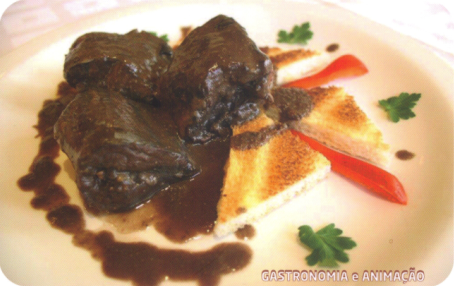
A lampreia é, para mim, o supra-sumo da gastronomia alto-minhota. Uma gastronomia apurada, robusta, variada, generosa, com personalidade, como eu gosto e como é, no geral, toda a honesta cozinha tradicional portuguesa. Há o arroz de lampreia, há a lampreia à bordalesa. E até admito mais duas ou três bem intencionadas variantes (como a lampreia fumada, a lampreia recheada ou a lampreia assada), mas que, não desmerecendo, já não são a mesma coisa. Eu fico-me pela arrozada a fugir do prato a todo o vapor e pela bordalesa intensa e substancial - embora, como a maioria dos portugueses, já só coma lampreia de memória.
No Alto Minho, a lampreia é "um prato de excelência" e de tradição. Sim, de tradição. "Para confeccionar um produto de qualidade com paixão e arte, nada melhor que as mãos de afamadas cozinheiras que receberam os testemunhos e segredos de gerações passadas, com raízes na ancestral tradição culinária do Vale do Minho", lê-se num opúsculo acabado de editar pela Adriminho para chamar visitantes e promover o consumo do apreciado ciclóstomo, durante os meses de Fevereiro e Março, nos restaurantes dos concelhos de Caminha, Melgaço, Monção, Paredes de Coura, Valença e Vila Nova de Cerveira.
Não percebi com que segunda intenção, a Adriminho resolveu amaricar a apresentação da sua lampreia, bem à moda de Lisboashire ou Cascais County, colocando na capa do dito prospecto a fotografia de um empratamento aguado e triste, obra certamente de um daqueles famosos jovens chefs da televisão que não cozinham nada mas têm muito jeito para as artes plásticas. Resultou assim uma coisa de snack-bar cantineiro, algures entre Nova Iorque e Bogotá, espécie de nouvelle cuisine pretensiosa e escusada que envergonha a velha lampreia e a tradição gastronómica alto-minhota.
Vejam bem: então isto agora é que é a lampreia do rio Minho? Que mal é que tinha a outra, a verdadeira?


https://blogger.googleusercontent.com/img/b/R29vZ2xl/AVvXsEhD78aRqBx5E2mc0LLWUlP7TXM0hhVHaJ0QIYi218eM8YXqEeXLnG_G5MI75pDjnoa-7NlId08Dru4hc86gRhGllXeXrhqq1Hjl7sPu9CLtOUZ_qa1AJ4T0RmWNNWLh08L59pFV3GeVfNU/s1600/lamp.jpg


https://blogger.googleusercontent.com/img/b/R29vZ2xl/AVvXsEiGuNSEEDm_Rc28rd2wDsjESldZg8XX3a2zmU2d3XIE_5BX82WDeOEwjQGbQkHzP4bMshhnexqLP6FsVnfjMHQ3qJA6cfgbrJc8KH4UHLATrq6j-wlOpyUuOcJ_vOvtq73fBMoTYqe_MfQ/s1600/Post_2011-02-19_Lampreia_Foto5.jpg


A lampreia é 
um sentimento común.

Portugal e a Galiza, 
o que a lampreia uníu
que nâo o separe nem deus!
(desculpem, que nâo o divida o Minho)

menos mal.

29-12-2015 act.08:03 (esp. do 28)


https://blogger.googleusercontent.com/img/b/R29vZ2xl/AVvXsEjrE7fASAQyvTxCZ8aDs8rKCYiIVS0XsbSxz_bGaJiKlU4UM5cprN9oag8lBPohB_J3SyvOVuH6TVFjfbz7abKe1fKs0H2z5f04cfIfOtLv5Ag6SerJ4zUSiHEqF8UQTOK_9vRyjgBrBfq-/s1600/lampreia+006.jpg

http://viticulturista.blogaliza.org/2011/01/13/val-da-lenda/

domingo, 27 de enero de 2013

I love "as Chas", my nineties. Although, I must confess, I did not try the other eleven wines.


http://wine-zag.com/2010/01/31/a-blind-mencia-tasting/

A Blind Mencia Tasting

January 31, 2010 by   
 
Gathered around a few white cloth-covered tables under brighter than


usual Saturday night lights, I hosted a group of 17 New England tasters to evaluate a dozen wines made from the Mencia grape. Finally, the opportunity to examine Mencia in a critical environment presented itself and I looked forward to validating my developed preference that I have unleashed on restaurant wine lists across the country.

Having never met a Mencia wine I didn’t like, I wondered what might happen in a blind, varietal peer group format. We assessed a decent range of wines from vintages spanning 2003-2008 sourced from the Valdeorras, Bierzo, and Ribeira Sacra growing regions in Northwest Spain. The wines ranged from 12%-14% alcohol content and retail price points started at $12 (2005 Flavium Crianza) moving all the way up to $80 (2007 El Pecado). The event confirmed what I was discovering piecemeal trying these wines one at a time accompanied with food; strutting its stuff without attempts to hide anything, Mencia displays a combination of red/blackberry fruit, exotic and herbal aromas, rustic characteristics, and a richness that never feels too ripe. On this evening, the wines seemed to organize themselves into two broad categories; (1) rustic earthiness combined with exotic, spicy aromas (2) deep fruit core with berry flavors and floral aromas relegating rustic, garrigue hints to the background.

Before a lineup rundown and some words on the group’s favorites, it’s worth remembering that this


grape is indigenous to these Northwest regions of Spain and not grown anywhere else. There was a school of thought that the grape was related to Cabernet Franc, but the speculation has been suffocated by negative DNA tests. As we gathered around our glassware, a friend and fairly steady tasting partner, Glen, reminded us that he has visited his son-in-law’s family who hails from these parts, and not to forget that Ribeira Sacra and Valdeorras (getting famous for the delicious white wines made from Godello fruit) are part of Galicia while Bierzo, 70 miles to the east of Ribeira Sacra, buts up against the same unique environmental influences that the Galician ocean and mountains offer. The vineyards are found in both valley floor and terraced hillsides, with soils of stone and clay down below and granite and schist composition up top. The wines are products of their home, and I noticed a few wines, including the overwhelming crowd favorites, moved toward a riper international market style, slightly departing from the brighter berry and herbal terroir driven qualities of the hills and ocean influences that Glen’s son-in-law is also a product of. These few wines, while delicious, seemed to lose some of the tell-tale berry characteristics we were discovering through the evening.


Here are the wines we tasted and some approximate retail prices:


2003 Ribas Del Cua, Bierzo $20
2003 Tilenus, Bierzo $25
2005 Baltos, Bierzo $15
2005 Flavium Crianza, Bierzo $12
2006 El Castro de Valtuille, Bierzo $16
2007 Losada, Bierzo $20
2007 Vina Caneiro, Ribeira Sacra $28
2007 El Pecado, Ribeira Sacra $80
2007 Petalos, Bierzo $25
2007 El Cayado, Bierzo $20
2008 Pena do Lobo, Ribeira Sacra $17
Bodega Jesus Nazareno as Chas, Valdeorras $13


Jay Miller at the Wine Advocate reviewed nine of these twelve wines and gave all of them 90+ scores. He rated the El Pecado 98 points, saying:
Its ethereal aromas are reminiscent of a great vintage of La Tache (readers will surely think I’m exaggerating) leading to a layered, sleek, elegant wine with tons of spice, that seems to melt in the mouth.
The extraordinary wines of Raul Perez must be tasted to be believed. Words simply cannot do them justice. The problem is that they are produced in minuscule quantities.
Interestingly, the El Pecado did not finish in the top 3 of the group’s favorites. It was fifth. I was
 surprised. It showed


its dark black color, was restrained in its ripeness, had deep black cherry flavors with a little pepper spice, tobacco leaf on the nose, and a sweet long finish. It was in the evening’s first flight, and was my third favorite of that flight and fifth favorite overall. Yet, the notes were consistent with the first time I tried this wine at Casa Mono (which you can read about in this post) when I sang its praise;
…intense aromas of rich black fruit, raspberries, and earth with other stuff I could not even recognize in the nose. Tasting this wine with dishes like bone marrow, fideos with chorizo and clams, pumpkin and goat cheese croquetas, crispy pork belly with apple salad, and duck egg with mojama (salt cured tuna) created a competition for aroma definition that had my nose raising white flags of surrender. But, the intensity of the wine was something I had not experienced in a very long time…pure elegant fruit, laser point focus, and the silkiest mouthfeel imaginable for a wine as packed as this. And the finish…wow that finish…..went on for minutes and the depth of flavors and fruit hung in there with rich blackberry, spice and earth filling my head and chest….I thought of some of the great Paulliacs I’ve tasted in classic vintages where gobs and layers of fruit packed elegantly into silk purses of soft supporting tannins, all with finishes to remember.
The group’s, and my own, favorite was the 2007 Losada. I loved this wine the first time I tried it at Toro, in Boston’s South End, which concluded in a search and destroy mission that had a dozen bottles land in my cellar. On this evening, the wine showed its unusually dark black/purple color and meaty gamey aromas. Amanda, one of our tasters and budding wine writer, discovered exotic barbeque duck spice and someone else reported tar-like flavors. In past tastings of this wine I also noted cinnamon and fruit cake aromas. The wine’s finish, as usual, was long and rich.

The least favorite wine of the night was from the cooperative of Bodega Jesus Nazareno; as Chas.

Lightest in color of all the wines we tasted, it exhibited a barnyard, animal, manure smell that actually appealed to me, but repulsed a lot of the other tasters. I turned my head to the wine’s lack of fruit and middle depth. The wine was not horrible, but it was not in the same league as the others. It might be nice to drink with some barbequed pork or heavily herbed salmon. Not to be totally dismissed, it was the only wine that generated any real objection. As such, all the wines in the lineup are recommended and represent, for the most part, strong values.

Taking second place was the 2003 Tilenus. It was good to see one of the wines with a little bottle age perform well. It was black in color with sweet floral perfume, tobacco leaf, garrigue and lead pencil aromas. Interestingly, the center of the the wine was in need of just a bit more fruit, leaving me a little surprised and expecting lots more considering its intense aromatics.

A wine that did not place in the group’s top three, but was my second favorite of the first flight of six wines was the El Castro de Valtuille. A rich purple color with amazingly true Mencia character shining through, the wine had red berry crossing into strawberry and pomegranate seed aromas, sweet flower petals combining with a slight mustiness, and rich red and blackberry fruit flavors in the finish. The wine is multidimensional and constantly changed in the glass showing its kaleidoscope character. It did secure a few 1st place votes by the group.

Third on the group’s overall list was the other 2003, Ribas del Cua. The color of the wine was deep purple, with tar and cigar wrapper on the nose. Deep black cherry flavors dominated.

Worth noting in my top 5 was the Vina Caneiro from Ribeira Sacra. The color was light purple with an alluring bright black cherry, cola, Pinot Noir-like nose. The 07 Vina Caneiro delivered a rich fully coated mouthfeel, with one of the longest, velvet-like finishes of all the wines we tasted.

With the tasting accomplished, I was restfully satisfied that these wines are for real and worth buying.

Wines with seven years of bottle age were showing well, there was a definite varietal streak that carried through all the various styles, and even when modern wine making gets introduced, the resulting wines are released with acceptable alcohol levels and restraint allowing for true recognition and enjoyment of the region’s special terroir. I still love Mencia, even after the battery of tests we put it through this evening.


jueves, 23 de agosto de 2012

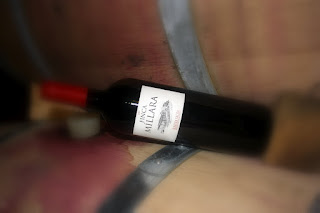
mencía FINCA MILLARA


Atención al cliente [+34] 986 090 004

981 57 21 02

http://www.mariafechoria.com/catalogo/ver/finca_millara_2008


Mais enlaces:

http://www.elcorreogallego.es/galicia/ecg/millara-un-paraiso-relax-ribeira-sacra/idEdicion-2010-07-18/idNoticia-570343/

http://oliveiravarela.blogspot.com.es/2010/06/finca-millara.html
*

http://www.ribeirasacra.org/ca/web/tienda.php?idc=4

http://elmundovino.elmundo.es/elmundovino/catas00.html?tasting=569&pagina=1&orden=5&criterio=2

http://www.lavozdegalicia.es/lemos/2010/04/25/0003_8441195.htm

http://www.quintasacra.es/carta_de_rutas_el_mino.html

http://www.viajesyvinos.com/Viajes_vinos_vendimia2008_files_files.htm

http://www.zoomvino.es/bodega/114997/finca-millara-bodegas-y-vinedos#presentacion

http://www.classicalwines.com/submain.php?category=wineries&subnav=spain&regionid=all&wineryid=52


Busca en google: ribeira sacra, mosteiros do vinho

http://pt.wikipedia.org/wiki/Ribeira_Sacra


http://www.google.es/url?sa=t&rct=j&q=&esrc=s&frm=1&source=web&cd=3&ved=0CDEQFjAC&url=http%3A%2F%2Fwww.turgalicia.es%2Fturnoticias%2Fdescargaimagen.asp%3FNOT%3D197%26lang%3DGAL&ei=gdliUObwGomwhAeEg4CABw&usg=AFQjCNFMpN3H0256u6rCwVk7Pi7kInzNKg&sig2=8o62kfaB0O30pDsMrAg3Pg


http://www.vinetur.com/mencias/ver-todos-productos.html


http://pt.scribd.com/doc/103761614/92/Segredo-92%C2%BA

Segredo 92º
Provado contra o mal dos queixos
Tomem duas dúzias de folhas de hera, outras tantas de sabugo e outros tantos grãos de pimenta, e ponham tudo a ferver em vinho bem tinto, e velho, com um pouco de sal, e depois de ferver bem, tirado do fogo, tomarão bochechos de vinho quente, fazendo-se três ou quatro vezes, se tirará a dor sem falta.{73}